Joliet → Nashville
Departed Effingham relay / temperature 68°F
Regional transportation, multimodal planning, customs-ready documentation, and exception intelligence—built for Midwest operators who need a useful answer now.
 CX / MULTIMODAL SYSTEM / CONCEPT RENDER
ILLUSTRATIVE NETWORK SCALE
FOR THIS FICTIONAL DEMONSTRATION
Crossroads keeps the lane, freight class, temperature range, accessorials, appointment rules, BOL facts, and operator decisions in the same operational record.
Build the profileDeparted Effingham relay / temperature 68°F
Receiver appointment conflict detected
Driver checked in / dock 14
BOL weight differs from tender by 840 lb
Carrier capacity, facility rules, lane performance, and customer requirements converge into one traceable plan. The network prepares options; Crossroads operations owns the commitment.
Recommendations account for dimensions, class, condition, timing, handling, appointments, and documentation—not merely origin and destination.
Regional LTL and dedicated capacity with appointment and accessorial controls.
Short-term staging, consolidation, pallet visibility, and dock coordination.
Truck, rail, ocean, and air options connected to the operational handoffs.
BOL preparation, customs readiness, discrepancy signals, and human verification.
Five connected decisions turn a shipment request into an operations-ready brief. Each generated recommendation stays labeled and each commitment pauses at a person.
Run the workflowUseful automation should make the next responsible decision easier—not obscure who made it.
Exceptions are ranked against shipment condition, appointment rules, and customer impact.
Stated facts, derived fields, and unresolved discrepancies remain visibly distinct.
Every recommendation shows its basis and alternatives can be reviewed by operations.
Customer and partner updates can be prepared without changing the controlled shipment record.
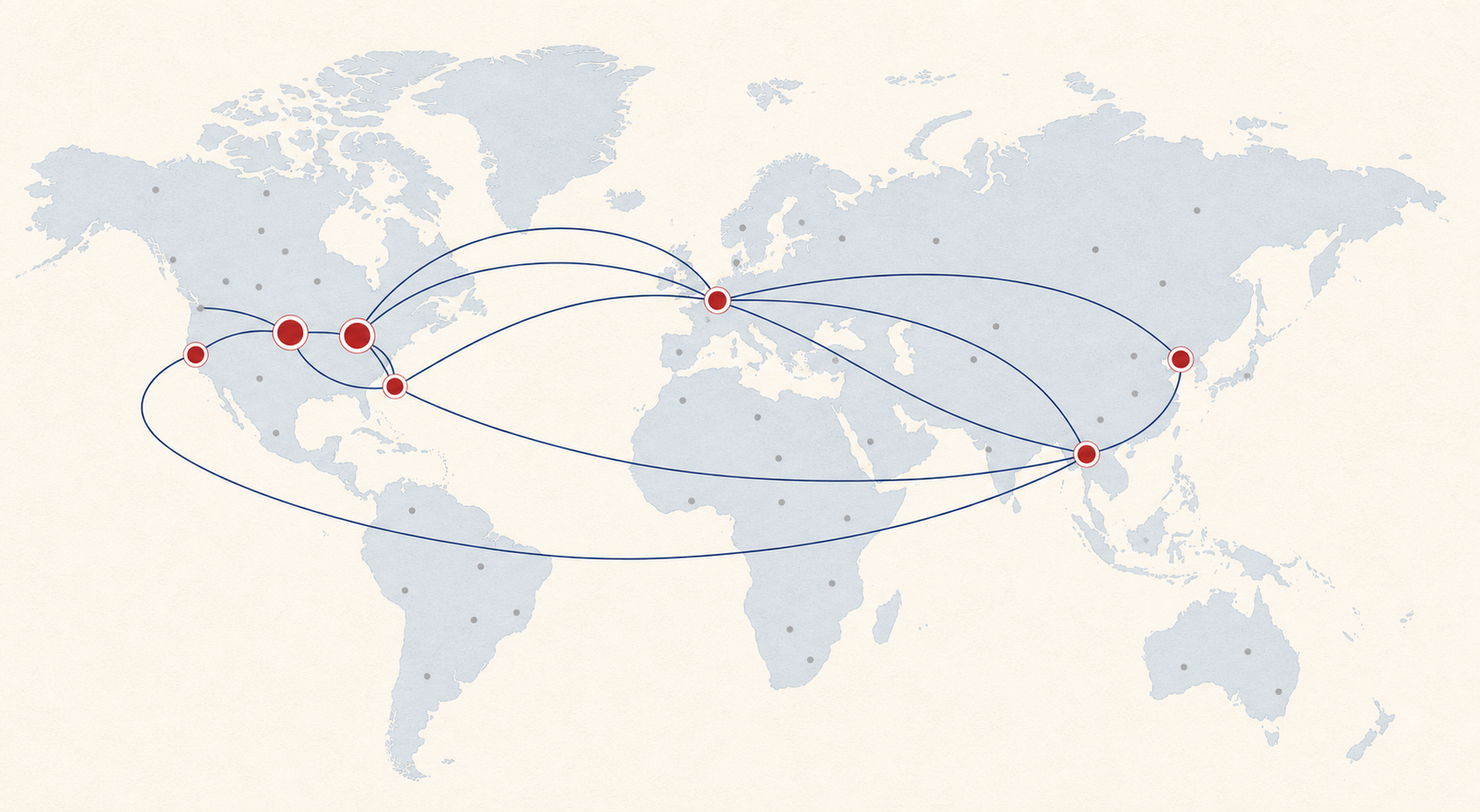
The reference network shows how Midwest freight can remain connected to customs, port, and overseas handoffs without losing its original requirements.
Enter shipment facts or stage a bill of lading. This browser-only lab recommends a mode, surfaces conflicts, drafts a customer-ready brief, and pauses before staff release.
Mode recommendation and exception brief will appear here
ROUTE / Regional LTL desk → temperature-sensitive queue → operations specialist
✓ Approved for specialist review. No carrier was booked and no rate or ETA was guaranteed.
Generated summaries remain labeled and traceable to customer-entered or document-derived facts.
Extract BOL fields, compare modes, identify missing details, and summarize exceptions.
Book carriers, guarantee delivery, change regulated records, or make safety decisions.
Operations verifies class, accessorials, capacity, carrier fit, timing, and customer language.
About this website demonstration
It is a fictional logistics and distribution website created to demonstrate sector-specific content, responsive design, accessible navigation, and a working BOL classification and dispatch exception workflow.
No. The organization, records, people, and outcomes shown are fictional and exist only as a Detailed In Design website and workflow demonstration.
Dispatchers verify shipment details and remain responsible for routing, escalation, and customer communication.